


Put Your Exceptional Teaching Skills to Use at the Inaugural Music Teacher Guild Conference, Accelerate
July 29-30, 2026 | Hosted Online for Maximum Accessibility
APPLICATION FOR MICRO-SESSIONS ARE DUE: APRIL 1, 2026
THE STRATEGYThis Is Not a Typical Conference—and This Is Not a Typical Call for Presenters
Music Teacher Guild Accellerate was created in response to a clear, research-backed reality:
Many of the most pressing challenges music educators face today have emerged alongside changes in the profession and are not always addressed in depth through formal training or traditional conference models.
This event is designed to change that.
We are building a professional learning experience that treats music educators as skilled practitioners—and treats presenters as architects of transformation.
If you have spent years developing expertise that actually works in the real world, this conference was built with you in mind.

Why Music Educators Choose to Present at Accelerate
Presenters are not selected for novelty, trends, connections to sponsors, or surface-level tips.
They are selected because they:
Are experts in the topic they are applying to instruct
Are dynamic, master teachers who know how to engage learners, even through a screen
Understand the realities of time, funding, equity, burnout, and retention
Want to share work that changes practice, not just inspires ideas
Educators who present with us are often motivated by:
A desire to teach at depth, not rush through slides
A sense of responsibility to pass on hard-won knowledge
The opportunity to contribute to something foundational, not derivative
Professional recognition among peers who take the work seriously
This 2-day workshop is not about exposure for exposure’s sake.
It is about belonging to a small group of educators shaping the future of the profession.

Why This Format Is Different—and Why That Matters
Most conferences rely on a 50-minute session model: a tasting menu that informs and inspires educators, but often leaves out some of the most essential elements for actual skill transformation.
We are intentionally doing the opposite.
Our Workshops Are:
3–6 hours in length
Designed around specific, measurable outcomes
Built for implementation, not inspiration
Structured to allow depth, dialogue, and applied learning
These workshops are not submitted as open proposals.
Instead, the Music Teacher Guild Education Committee curated the topics in advance based on research into:
What music educators need now
What they were potentially left untrained to manage in the contemporary classroom
What actually improves sustainability, effectiveness, and student experience
Presenters apply to teach one of these defined workshops, ensuring:
Alignment between presenter's expertise and participant's needs
Clear expectations for scope and outcomes
Meaningful impact for attendees
This flipped model allows presenters to focus on what they do best: teach well, deeply, and with purpose.

How Learning Actually Happens at Accelerate
We take instructional design seriously—especially online.
Presenters are trained and supported to teach using a four-stage learning model designed for real transfer into practice:
Information & Explanation
Presenters introduce concepts with clarity, context, and purpose.Demonstration
Skills and strategies are modeled live—not described abstractly.Implementation
Participants actively apply what they are learning during the session.Evaluation & Feedback
Presenters assess learning in real time and offer targeted guidance.
This structure transforms workshops from passive viewing into active professional learning—the kind that actually changes practice.
Quality Instruction, Real Impact.
Quality Instruction, Real Impact.
Why Your Experience Matters.
(It’s more than you know.)
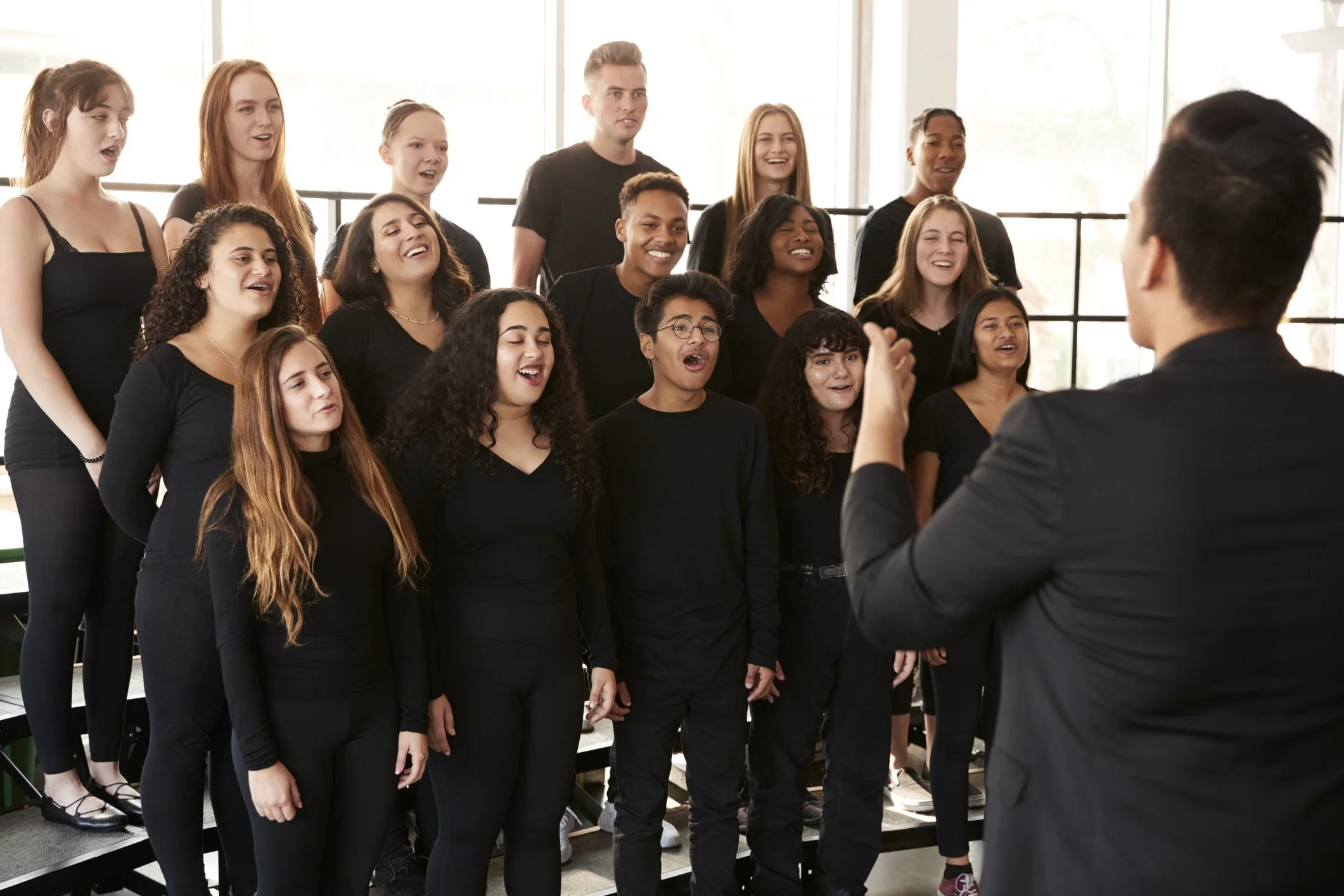
This is the first Music Teacher Guild Conference.
That matters.
Inaugural presenters:
Help establish the intellectual and ethical foundation of the event
Shape the culture, tone, and expectations for years to come
Are recognized as founding contributors, not interchangeable speakers
For many educators, this represents:
Professional distinction
Long-term visibility within a growing national organization
Meaningful leadership beyond their local context
This is not a repeatable speaking slot.
It is a chance to help build something that does not yet exist.

Who Should Apply
You should consider applying if you:
Have deep expertise aligned with one of the listed workshops
Want to teach in a format that allows real impact
Value professional contribution over performative presenting
Are excited by the opportunity to shape something new
Believe music educators deserve better professional learning models
If that resonates, we would be honored to review your application.
APPLICATION CLOSES FEBRUARY 28th
Compensation & Support: Transparency Up Front
The Music Teacher Guild is a nonprofit organization, and this inaugural conference is both our first major event and our primary fundraiser and membership drive.
Because of this, we cannot guarantee standard speaker honoraria at this time. We believe it is essential to be transparent about that reality—and equally clear about what we do and do not believe.
-
Professional expertise has value
No one should ever pay to instruct
No one should feel obligated to instruct without compensation
Compensation models should evolve as organizations become sustainable
-
All instructors receive:
Full complimentary access to the conference (live + evergreen)
A complimentary three-year Music Teacher Guild membership
Complimentary Foundations of Mentorship Training & Certification
Professional promotion through conference and organizational channels
Invitations to instructor-only networking opportunities with sponsors and peers
A curated thank-you gift in recognition of their contribution
These benefits are offered as recognition and support—not as a substitute for compensation.
-
While speaker fees are not guaranteed, we are actively pursuing multiple compensation mechanisms:
Session Sponsorships
Individual workshops may be sponsored by aligned organizations. When this occurs, sponsorship funds are directed first toward speaker compensation.
Instructor-Identified Sponsors
Instructors may identify organizations interested in sponsoring their session. With permission, we will explore those partnerships together.
Speaker Revenue Distribution Fund
A percentage of registration revenue will be allocated to a shared speaker distribution pool, with funds distributed based on defined criteria such as instructional hours delivered.
As the conference grows, our goal is to move toward consistent, fair instructor compensation as a standard practice.
-
We want to be explicit about how this conference operates:
We will never require instructors to pay to teach
We will never require instructors to purchase registration or membership
We will never treat instructors as marketing assets
We will not rely on unpaid expert labor as a permanent model
This conference is being built with integrity, transparency, and respect for the profession.

Teaching at a Global Scale (Without Losing Depth)
The Music Teacher Guild Conference is not limited to a single region, system, or subject matter.
Educators participate from 15+ countries, representing public schools, private studios, community programs, and higher-education settings around the world.
For instructors, this means:
Your work reaches educators working in diverse cultural, funding, and instructional contexts
Your ideas are tested and refined through truly global dialogue
Your contribution supports teachers who rarely have access to high-quality professional learning
This is not mass exposure.
It is meaningful reach—educators who are actively investing in their practice and prepared to engage deeply with your work.
Data-Driven and Exceptionally Designed
Each workshop was selected based on actual research data and direct input from hundreds of classroom music educators about the challenges they face—not trends or what's easy to schedule, or paid product placement.
This ensures there's at least one high-octane workshop for every classroom music educator, regardless of how long they’ve been teaching or which music subjects fill their schedule this year.
Music Teacher Guild Presents
Accelerate 2026 Workshop Sessions
Research Backed Topics Designed to Help You Succeed
12 deep-dive workshops designed to fill the real gaps music educators face.
Showing 12 workshops
Classroom Management for Ensembles
"Managing 50+ Students Without Losing Your Mind (or Your Voice)"
Spend less time managing and more time making music. You'll leave with practical checklists and ready-to-use strategies that help you reclaim up to 120 hours of instructional time per year.
- Design and implement a comprehensive ensemble classroom procedures system
- Apply transition management techniques that minimize instructional time loss
- Demonstrate de-escalation strategies for large-group settings
- Create accommodation checklists for exceptional learners
- Develop a personal action plan for implementing three new strategies
Research: Cited by 11/19 participants as a critical preparation gap
Elementary Music Classroom Management
"Herding Cats Who Also Have Recorders"
Turn chaos into creativity—without raising your voice. You'll leave with age-appropriate procedures, attention signals that actually work, and strategies for managing 25 wiggly bodies at once.
- Establish developmentally appropriate routines for instruments and transitions
- Implement attention signals matched to different activity types
- Apply strategies for managing recorder, Orff instruments, and movement
- Create behavior support plans that keep the music going
- Design a first-week procedures teaching sequence
Research: Adapted for developmental context
Differentiated Instruction for Ensembles
"Teaching the Prodigy and the Struggler in the Same Rehearsal"
Reach every musician—not just the ones who "get it" quickly. You'll leave with diagnostic tools, part-writing strategies, and rehearsal techniques for mixed-ability groups.
- Use diagnostic strategies to quickly assess individual skill levels
- Design flexible part assignments and challenge extensions
- Implement peer mentoring structures
- Apply accommodation strategies for students with IEPs and 504 plans
- Create a differentiation action plan
Research: Cited by 9/19 participants
Student Engagement for the TikTok Era
"Competing with a 90-Second Attention Span (And Winning)"
Capture attention and build buy-in—even when practice "isn't fun." You'll leave with attention-capture techniques and gamification strategies.
- Apply research-based attention strategies for music learning
- Design micro-goal structures that build momentum
- Implement gamification without trivializing learning
- Create relevance connections between repertoire and student interests
- Develop engagement interventions for disengaged students
Research: Cited by 7/19 participants
Beyond Band & Orchestra
"From Steel Drums to Stomp Boxes: A Speed-Dating Tour of Ensembles You'll Actually Want to Call Back"
A tasting menu of ensembles that deserve a spot in your program. You'll sample a wide range of options—from mariachi and steel pan to modern band, bucket drumming, ukulele ensembles, and beyond—and leave knowing which ones fit your students, your community, and your budget.
- Describe a wide range of non-traditional ensemble types, including their instrumentation, cultural context, and typical entry points for implementation
- Assess which alternative ensembles are the best fit for their student population, community, and resources
- Identify startup costs, repertoire sources, method books, and professional development pathways for at least three ensemble types
- Navigate cultural authenticity and representation considerations when adopting traditions outside their own training
- Draft a short feasibility plan for piloting one new ensemble offering in their program
Research: Cited by 8/19 participants
Music Technology: Mixing & Production
"Stop Asking the IT Guy to Record Your Concert"
Record, mix, and produce—without an audio engineering degree. You'll leave with hands-on DAW skills and a recording workflow you can teach students.
- Navigate a DAW interface and execute basic recording workflows
- Apply fundamental mixing concepts: levels, panning, EQ, compression
- Record live performances with proper mic placement
- Design introductory music tech lessons
- Complete a simple mixing project
Research: Addresses music production gaps
Mastering Communication
"Emails That Get Read, Conversations That Don't Backfire"
Say what you mean—and have people actually hear it. You'll leave with email templates, difficult conversation scripts, and advocacy language.
- Write parent communications that get read and acted upon
- Navigate difficult conversations using advocacy language
- Apply conflict resolution techniques
- Build cross-departmental relationships
- Create a communication toolkit with templates
Research: Cited by 12/19 participants—highest-cited gap
Time & Logistics for Secondary Educators
"Running a Program Without Running Yourself Into the Ground"
Get the non-teaching stuff done—so you can get back to teaching. You'll leave with calendar systems and workflow strategies that cut admin time in half.
- Implement planning systems that prevent last-minute crises
- Create performance logistics checklists
- Design efficient trip planning workflows
- Apply time-blocking strategies
- Build a master calendar template
Research: Cited by 10/19 participants
Music Program Finances
"Don't Screw Up the Money (And Other Career-Saving Advice)"
Finally feel confident about where every dollar goes. You'll leave with a budget template, inventory tracking system, and fundraising action plan.
- Create and manage a comprehensive program budget
- Implement inventory tracking systems
- Design fundraising campaigns that don't burn out families
- Navigate booster organization relationships
- Apply fiduciary best practices
Research: Cited by 9/19 participants
Tech Tools & AI for Administration
"Let the Robots Handle the Paperwork"
Work smarter, not later. You'll leave with a curated tech toolkit, AI prompt templates, and workflows that automate the tedious stuff.
- Evaluate and select admin technology tools
- Apply AI tools to common administrative tasks
- Implement SmartMusic, Charms, or similar platforms
- Design efficient digital workflows
- Create a technology adoption plan
Research: Cited by 10/19 participants
Lifestyle Management for Career Longevity
"Still Teaching (And Still Loving It) at Year 25"
Build a career you can sustain—not just survive. You'll leave with a personal growth audit and long-term career sustainability plan.
- Conduct an honest self-assessment of strengths and growth areas
- Design a personalized professional development roadmap
- Implement sustainable self-improvement practices
- Build feedback-seeking habits
- Create a 3-year career development plan
Research: Cited by 10/19 participants
Work-Life Balance & Personal Resilience
"Boundaries That Stick (Even During Marching Season)"
Protect your energy so you can keep doing what you love. You'll leave with boundary-setting scripts and stress management techniques.
- Identify personal burnout warning signs
- Set and maintain professional boundaries without guilt
- Apply stress management techniques
- Navigate the "first in, last out" culture
- Create a personal resilience action plan
Research: Cited by 9/19 (resilience) and 8/19 (boundaries)
Not Into Facilitating a Deep Dive?
We have something for you.
Our goal is to add 25+ micro-lessons to support our 2026 Accelerate workshops to ensure continued learning after the event. Each microlearning lesson aligns with one of the 12 workshop topics. You’ll have the option to indicate whether you’d like to submit one (or more) of these recordings.
There is no limit to the number of micro-lessons you can apply for.

Know a Potential Sponsor? Let’s loop them in, too.
A Sponsorship Package Designed for Maximum ROI (and zero travel expenses)
Know a company or organization that would be interested in sponsoring your session, any session, any track, a parallel experience, or the entire event?
We could use their help!
Other conferences follow the maximum-session model because it’s more fiscally responsible. They charge for exhibit hall space. They even charge presenters to attend. And pay for membership.
We’re not doing any of that. We’re actually doing the opposite.
Is it the most fiscally irresponsible thing? Maybe.
But that means each sponsor and attendee makes a real impact.
You Probably Have Questions. Here are answers.
-
Yes!
We believe pre-recording your session serves two purposes:It’s really good practice.
We will use that recording in the online course.
It’s also a really good backup in case something goes catastrophically wrong.
We know it’s an extra commitment - but it’s the best thing for you, for us, and for the attendees.
-
We offer a range of solutions designed to meet your needs—whether you're just getting started or scaling something bigger. Everything is tailored to help you move forward with clarity and confidence.
No—and yes, in the right way.
We trust you as the subject-matter expert. You will bring the expertise, perspective, and practical knowledge that make the workshop valuable.
We will provide:
A clear workshop outline and learning objectives
Guidance on interactive activities and applied learning
Support for delivering the session effectively in an online format
Coaching with one of our board members or the Executive Director
The final session is developed collaboratively. The resulting workshop content will be considered joint intellectual property, reflecting both your expertise and the instructional design support provided by Music Teacher Guild.
-
We are still finalizing the exact technology stack.
The platform may vary depending on session needs, but presenters should be comfortable with Zoom-like functionality, including:
Screen and audio sharing
Muting and participant management
Multiple cameras or viewpoints
Chat and Q&A tools
Whiteboards or shared documents
Uploading or referencing materials
We will provide onboarding and support so expectations are clear well in advance.
-
Yes.
All presenters will sign a formal agreement before the event. This protects both you and Music Teacher Guild and ensures:
Clear expectations
Intellectual property clarity
Transparency around compensation and use of recordings
Our goal is alignment, not restriction.
-
While we cannot guarantee ongoing royalties for evergreen content, we are committed to ethical use of presenter work. The evergreen course will be retired after one year, and presenters will be first in line for future paid projects, workshops, and collaborations as the organization grows.
We see this as a relationship, not a one-off transaction.
-
Not being selected does not mean your expertise isn’t valued. Every one of our board members has had similar rejections. We understand. That’s why we have plenty of opportunities for you!
If a full workshop is not the right fit, you may be invited to:
Contribute recorded micro-content to supplement the evergreen experience
Participate in lighter-lift instructional contributions
Be considered for future workshops or events
With your permission, we will keep your information on file for future opportunities.
-
This workshop is designed for active classroom music educators across various contexts, and those training for a role in classroom music education.
Participants are music educators who:
Have intentionally registered for a multi-hour intensive
Are seeking practical, applicable learning
Are prepared to engage actively
This is not a passive or casual audience.
-
You can reach the Music Teacher Guild team by emailing:
hello@musicteacherguild.org
-
Accelerate is scheduled for July 29–30, 2026. Sessions run from about 8am-4pm US-Pacific Time.
Since we serve educators globally, we're mindful of time zone differences. Full details about scheduling and any replay options will be available when registration opens.
-
No.
Applications are open to any qualified music educator or professional development provider. Membership is not required to apply or to present.
-
No.
We recognize that some of the most effective instructors are:
Former educators
Administrators
Researchers
Consultants
Specialists
We value expertise based on relevance and depth—not current job title or placement.
-
Workshops are designed collaboratively to be focused and efficient.
Your time commitment is not minimal. Here’s what you’ll be asked to do:
Work with us on the detailed workshop experience—learning activities & interactive evaluation and feedback included.
TWO live, mandatory prep sessions. One will cover the technology, one will cover the delivery.
A Pre-Recorded Version of the Live session. Since this event is international, we anticipate almost as much self-paced attendance as live attendance. Your recorded session will live in our LMS for 1 year and will be adjusted for optimal delivery in that setting (think: 3-5 minute segments instead of 1-1.5 hour segments)
You can expect from us:
Structured planning support
Clear timelines
A reasonable preparation commitment aligned with the depth of the session
We are mindful of workload and do not expect unpaid, open-ended labor.
-
Yes.
Live sessions will be recorded for on-demand access for registered participants. Recording details, access duration, and usage are clearly outlined in the presenter agreement.
Yes this is in addition to your pre-recorded content. Some self-paced viewers may like to watch your live interactions to help with comprehension.
-
Yes.
Presenters will not be responsible for managing the technical aspects of the session alone. Support will be available to assist with logistics so you can focus on teaching.
-
Yes—with boundaries.
Presenters may reference relevant resources where appropriate. The focus of the workshop must remain on learning and implementation, not promotion. Expectations are clearly outlined during onboarding.
-
Selections are based on:
Alignment with the specific workshop
Depth and relevance of experience
Ability to teach effectively in an applied format
Overall program balance
This is a curated process, not first-come, first-served.